PARVAAZ Legal Fellowship Programme

The SAWF IN Legal Fellowship Programme was launched in 2017 provides financial and technical support to women and trans* person lawyers practising in districts courts of India, to strengthen their journey in feminist advocacy and their legal practice, helping them build their skills in litigation, and help provide pro-bono support to women and trans* person litigants in their cases. 


The women’s and trans* person rights movement has played a pivotal role in advocating for transformation in existing legislation and in the process of access to justice. However, these institutions continue to have an intimidating effect, especially on survivors of violence from marginalised communities. Moreover, the existing legal systems are still patriarchal with a disproportionate number of women and trans* person lawyers and judges practising, especially in district courts.

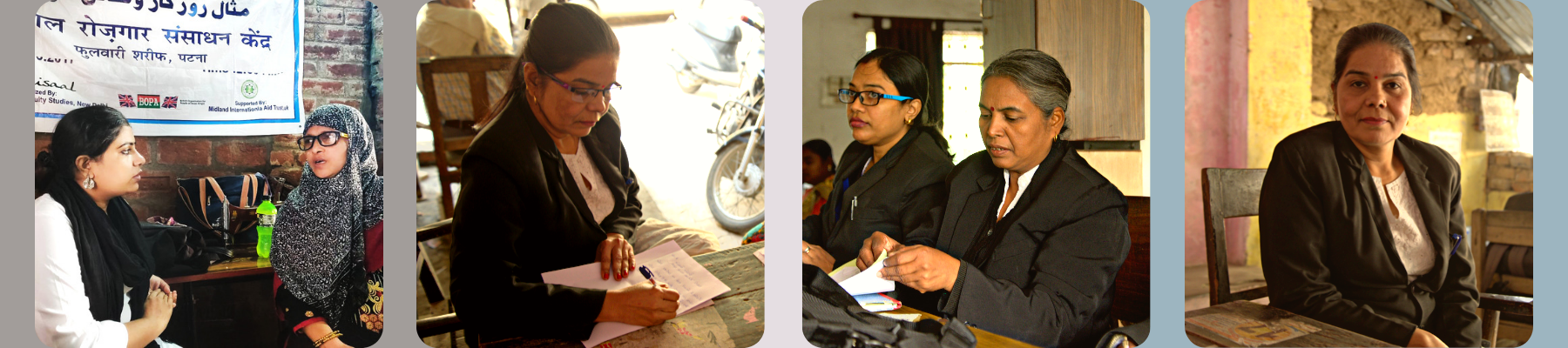
District courts are the first site of legal redressal and remedy for women and trans* persons. The year-long support of this fellowship is aimed at enabling women and trans* person lawyers to explore opportunities for peer learning, building networks with lawyers from other countries and receiving mentoring support from senior feminist lawyers.  Since 2017, the programme has supported 12 women lawyers from 7 states. They have provided pro- bono litigation support for more than 230 women and Trans* people. Additionally, the legal fellows have also offered legal counselling and advice to over 1000 women from socially and economically marginalised communities such as Dalits, Adivasis, and Muslim women among others.  

The fellowship aims to support women and trans* person lawyers practising at district courts to:  

  1. Provide free legal aid and support to women and trans* person litigants  
  2. Build their own skills in feminist lawyering in primary courts, particularly in building constitutional arguments.  
  3. Advocate for more gender-responsive lawyering at district courts  
  4. Lead and participate in actions that directly contribute to realising the rights of women and trans* people.

Please visit our website for announcements or write to fellowship.sawfin@gmail.com for more details


Our Current Areas of Operations -

Chennai, Tamil Nadu | Tezu and Roing, Arunachal Pradesh | Wokha, Nagaland |
 

Current Fellows

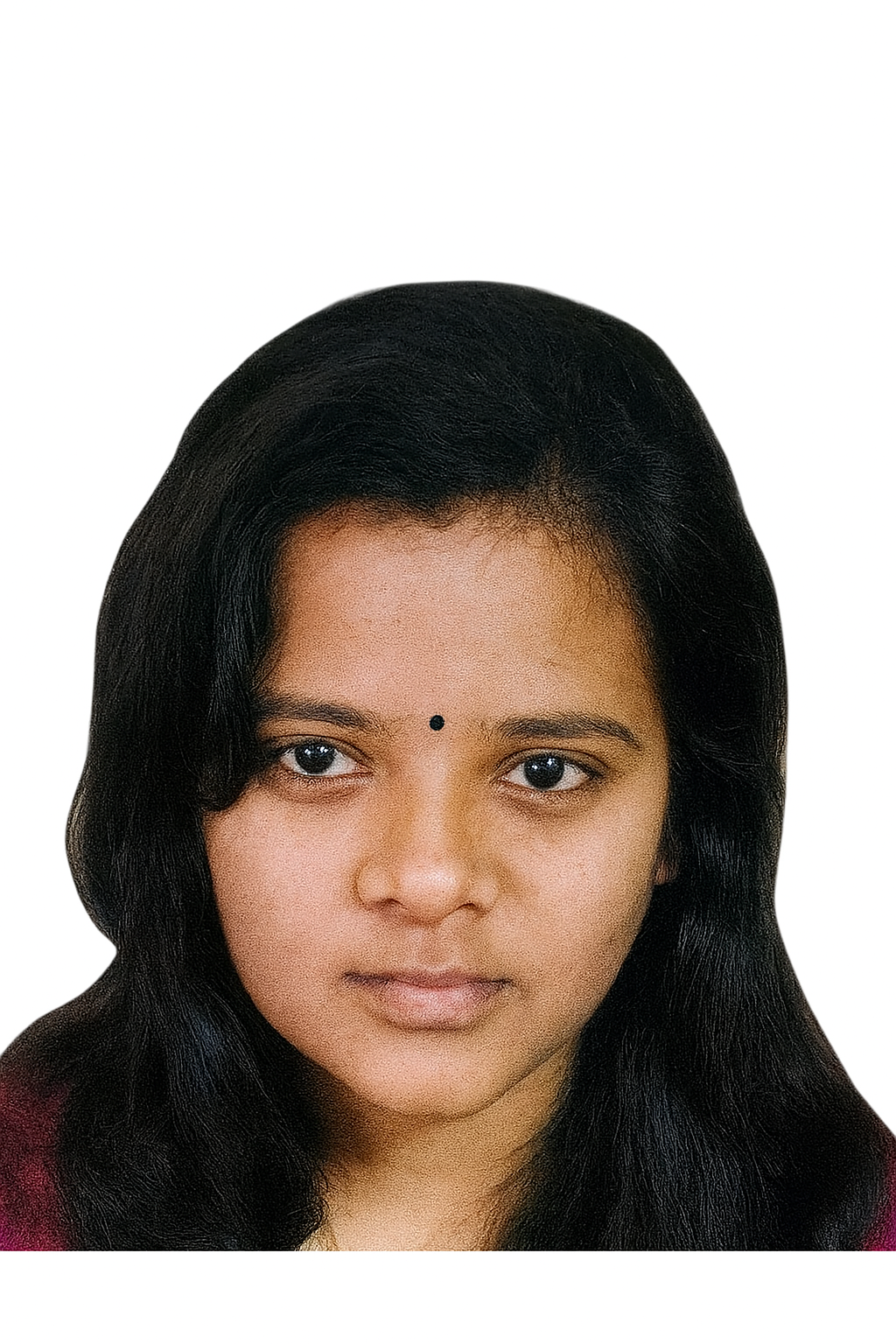
Jhansi Geddam

Hyderrabad, Telangana

Registered 1999 | High Court of Telangana

Domestic violence | POCSO | Caste- and gender-based discrimination

Jhansi works on cases involving violence and discrimination against Dalit and Adivasi women and children, with a focus on mental health, caste-based exclusion, and procedural accountability. Her practice combines survivor-centered legal support with sustained institutional engagement to address systemic gaps and strengthen access to justice for marginalized communities

Read More

Jhansi Geddam

Practice Overview: Jhansi Geddam has been practicing since 1999 and appears before the High Court of Telangana. Her work focuses on cases involving discrimination and violence against Dalit and Adivasi women and girl children, including domestic violence and matters under the POCSO Act. Her practice engages deeply with issues of caste-based exclusion, mental health, and access to justice. She regularly represents survivors navigating legal processes shaped by social pressure, institutional resistance, and systemic delay.

Feminist Approach: Jhansi’s legal practice centers on building resilience and confidence among women and children who have experienced violence or discrimination. She works to ensure that survivors are able to pursue justice without coercion, whether arising from family, community, or institutional pressures. Her approach reflects a commitment to strengthening the use and implementation of special laws intended to protect women and children, while remaining attentive to the ways in which caste, gender, and social marginalisation intersect within legal processes. She is also mindful of ensuring that caste minorities and gender minorities are not rendered invisible within formal systems of protection.

Institutional Development: A significant part of Jhansi’s work focuses on addressing institutional gaps, including delays in complaint registration, investigative lapses, and weaknesses in prosecution. She undertakes sustained follow-up with police officials, public prosecutors, Directors of Prosecution, and relevant government departments to support timely action, compensation, and rehabilitation. She also conducts legal clinics that bring together officials, prosecutors, survivors, and witnesses to review case progress, identify procedural bottlenecks, and strengthen coordination across the justice delivery system—ensuring that legal protections translate into meaningful outcomes.

Professional and Personal Journey: Jhansi’s long-standing engagement with survivors of caste- and gender-based violence has shaped a practice grounded in persistence, accountability, and survivor support. Over time, her work has reinforced the importance of sustained institutional engagement in securing justice for marginalized communities. Her long-term goal is to contribute to a legal system in which Dalit and Adivasi women and children can rely on effective protection, timely enforcement, and the rule of law as a lived reality rather than a distant promise.

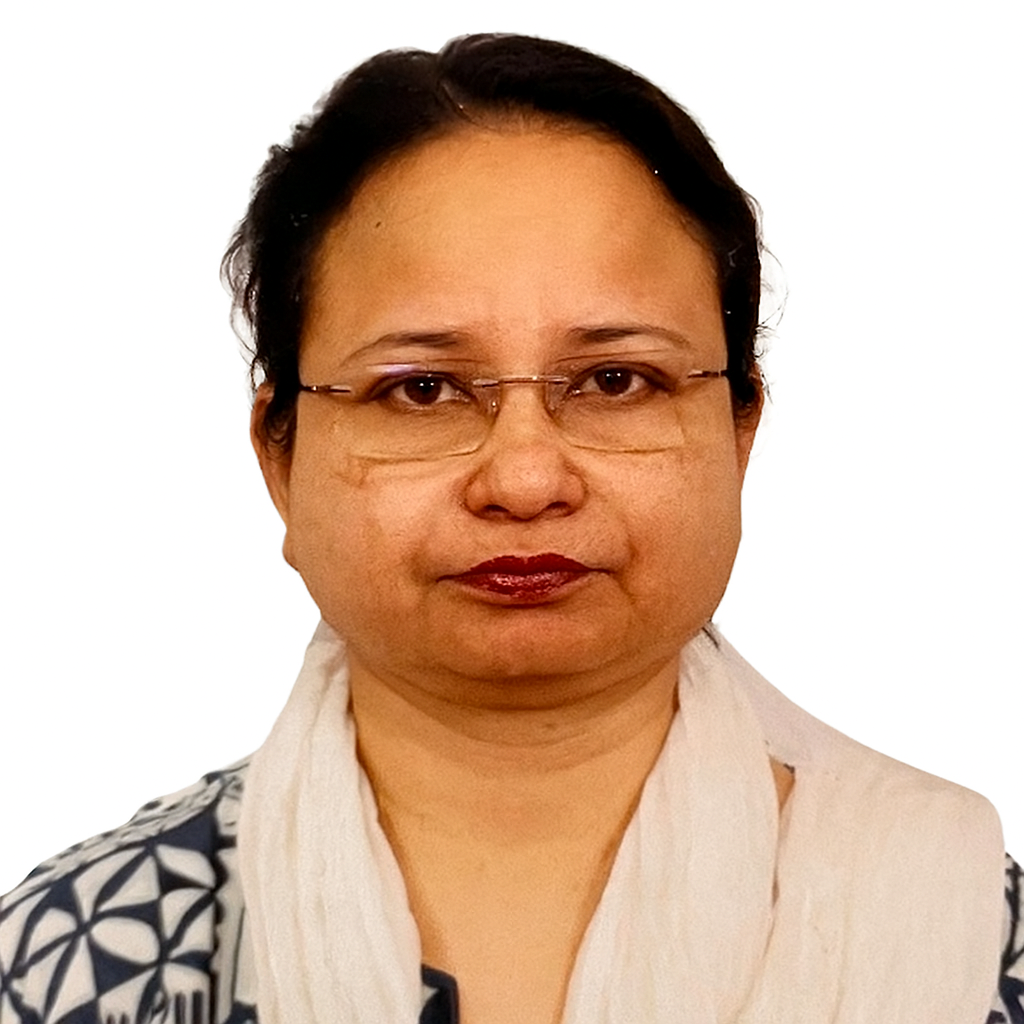
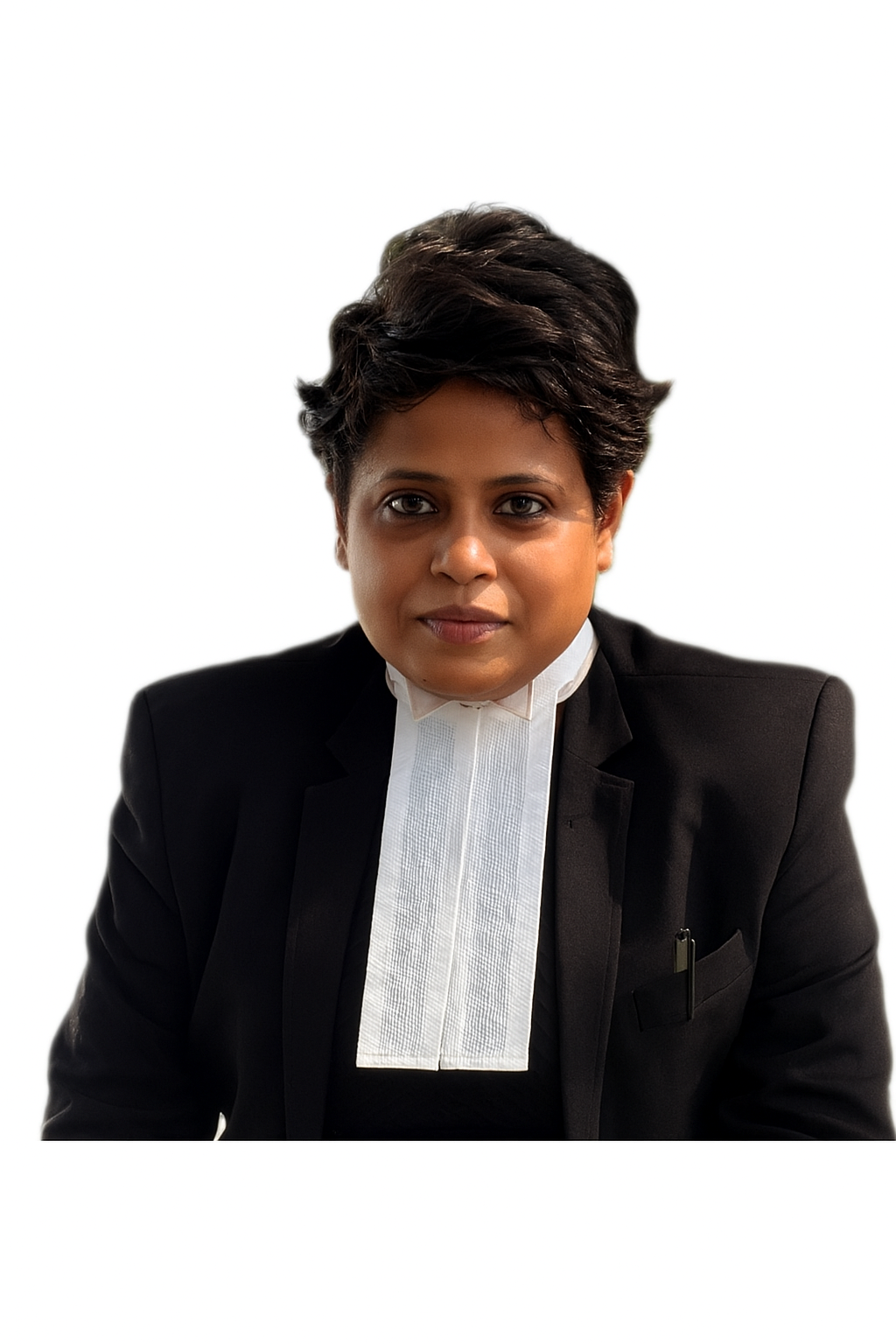
Dyutimala Bagchi

Kolkata, West Bengal

Registered 2001 | District and Sessions Court at Alipore, South 24 Parganas

Family Law | Domestic Violence | POCSO

Dyutimala works on matrimonial disputes, domestic violence, and child protection cases, with a focus on mediation, survivor-centred remedies, and institutional capacity-building. Her practice combines litigation, dispute resolution, and sustained engagement with legal and child protection systems

Read More

Dyutimala Bagchi

Practice Overview: Dyutimala Bagchi practices before the District and Sessions Court at Alipore, South 24 Parganas, and has been registered since 2001. Her work focuses on matrimonial disputes, domestic violence matters concerning women’s rights within the shared household, and cases involving children under the POCSO Act. She regularly assists survivors of domestic violence, trafficking, and child abuse in accessing legal and administrative remedies. Alongside litigation, she engages with mediation and pre-litigation dispute resolution processes, supporting alternatives to prolonged and adversarial proceedings where appropriate and safe.

Feminist Approach: Dyutimala’s legal practice is grounded in the belief that access to justice depends not only on formal remedies but also on awareness, dignity, and informed choice. She places emphasis on helping women and children understand their rights, available legal options, and the implications of different courses of action. Her work reflects a commitment to client-centered support and confidence-building, particularly for individuals from economically disadvantaged backgrounds who may be engaging with courts or authorities for the first time. She also promotes mediation and dialogue as meaningful avenues for resolution, alongside formal legal processes.

Institutional Development: Dyutimala has been actively involved in institutional training and awareness programmes relating to the POCSO Act, Juvenile Justice Act, and the POSH Act. She has conducted police training programmes on the Juvenile Justice Act in collaboration with NGOs and District Police Authorities and has facilitated training sessions for Juvenile Justice Board members and POCSO support persons across multiple districts of West Bengal. These engagements, organized in collaboration with the Department of Child Rights and Trafficking, West Bengal, reflect her role in strengthening institutional responses to cases involving women and children through knowledge-sharing and skill-building.

Professional and Personal Journey: Alongside her litigation and training work, Dyutimala has mentored and trained young lawyers and law students across West Bengal. Her professional journey reflects a sustained effort to combine courtroom practice with education, training, and institutional capacity-building. She views awareness-building, mediation, and skill-sharing as essential to improving institutional responsiveness and strengthening access to justice for women and children over time.

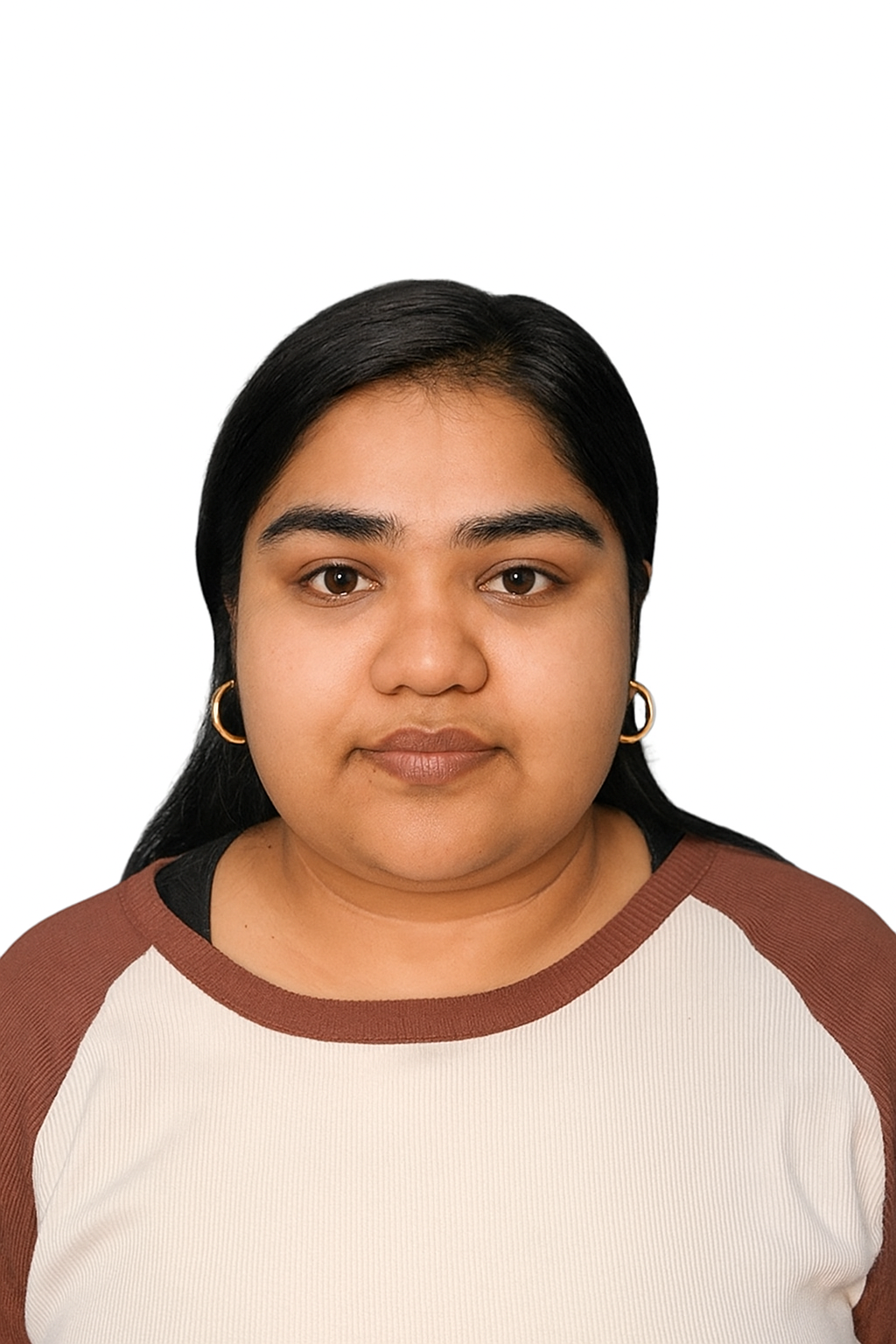
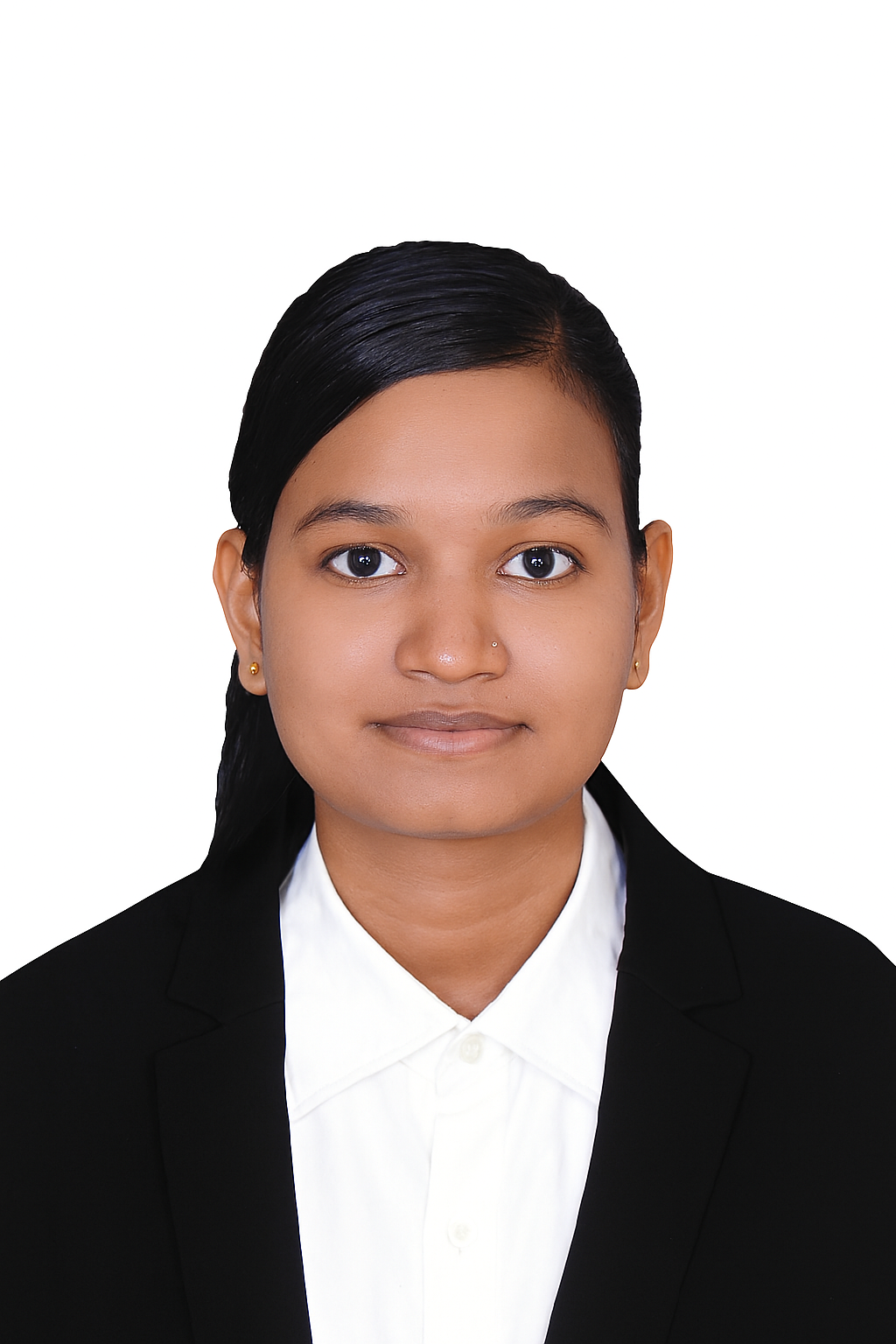
Arthimalla Priyanka

Vijayawada, Andhra Pradesh

Registered 2022 | Vijayawada District Court, Andhra Pradesh High Court

Family Law | Welfare documentation | Court procedures

Priyanka supports clients navigating family issues and welfare-linked paperwork. Her practice is grounded in patient listening and steady procedural follow-up

Read More

Arthimalla Priyanka

Practice Overview: Priyanka works with women and families navigating domestic disputes, safety concerns, and welfare-related procedures. Her practice focuses on patient listening, clear explanation, and sustained follow-up across courts and administrative offices.

Feminist Approach: Priyanka’s legal practice is shaped by her commitment to ensuring that women and children feel heard, supported, and informed when engaging with legal institutions. Her practice reflects values of dignity, attentiveness, and informed choice. In her day-to-day work, this translates into careful listening, respectful engagement, and clear explanation of legal and procedural options, enabling clients to participate meaningfully in decisions that affect their safety and well-being.

Institutional Development: Priyanka supports clients in accessing welfare schemes, submitting documentation, and following up with police stations and administrative bodies in matters related to domestic disputes and safety concerns. Her work involves procedural coordination and follow-up in contexts that require timely institutional response. Through this engagement, she helps address procedural gaps that can otherwise delay or obstruct access to protections and support.

Professional and Personal Journey: As a first-generation lawyer, Priyanka’s professional journey has been shaped by both aspiration and challenge. Entering a profession often marked by entrenched hierarchies, her experiences have reinforced the importance of perseverance, steady practice, and institutional familiarity. While her long-term goals are not explicitly stated, her work reflects a commitment to building a sustainable litigation practice grounded in consistency, resilience, and client-focused support.

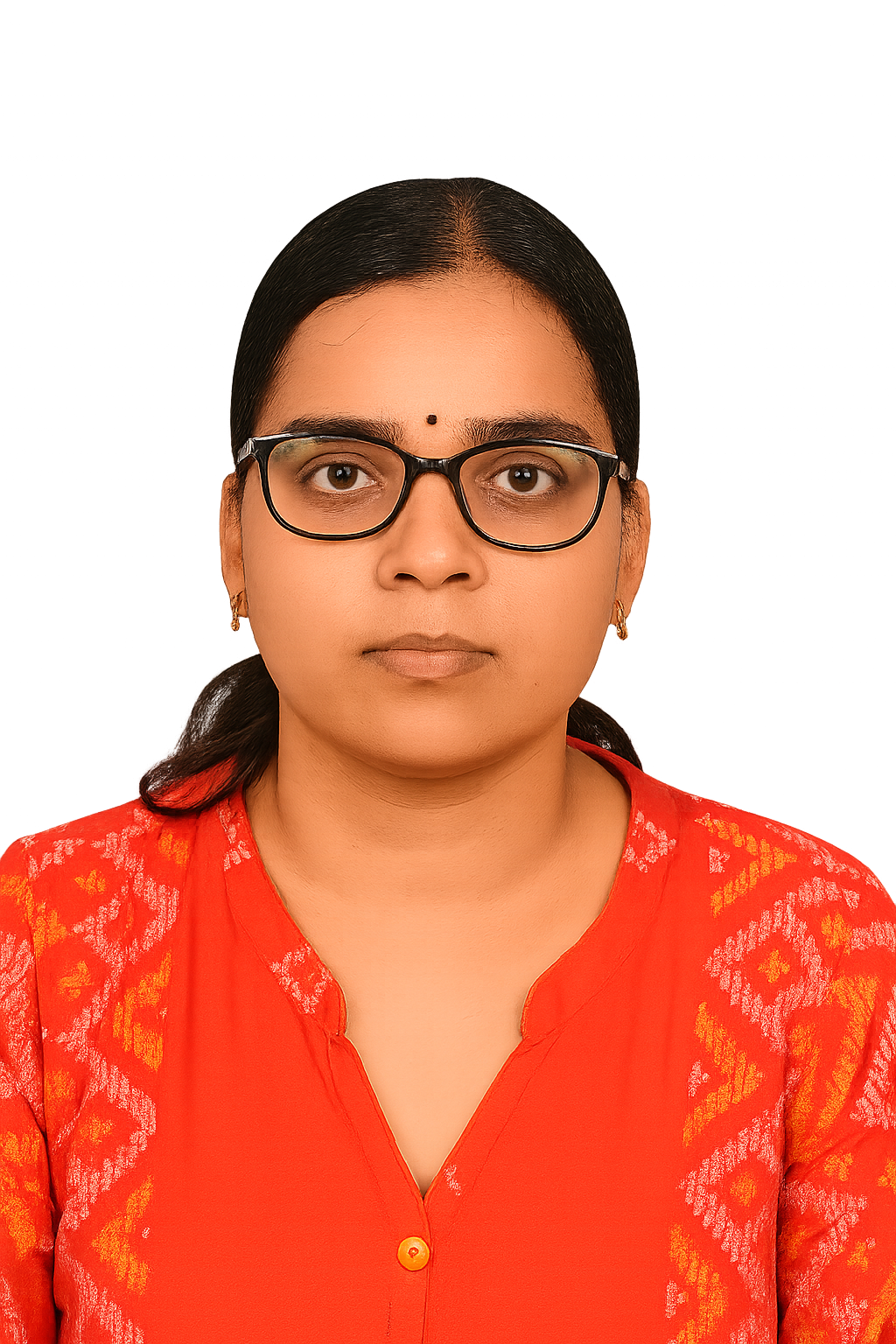
Erusha Portel

Siliguri, West Bengal

Registered 2024 | Debt Recovery Tribunal, Siliguri and Siliguri Sub Divisional court, Darjeeling/Kalimpong

Debt Recovery | Domestic Violence | Family Law

Erusha works with women and families facing debt recovery actions, domestic violence, and housing insecurity. Her practice focuses on procedural clarity, empathetic engagement, and sustained support for clients navigating courts and administrative systems under acute financial and social pressure

Read More

Erusha Portel

Practice Overview: Erusha Portel is registered in 2024 and practices before the Debt Recovery Tribunal, Siliguri, and the Siliguri Sub-Divisional Court. Her work focuses on family disputes, domestic violence matters, and debt recovery proceedings. A significant part of her practice involves supporting widows facing recovery actions following the death of their spouses, where banks initiate proceedings that threaten homes and savings, often leaving women suddenly exposed to financial and housing insecurity. She assists clients with filing complaints, preparing documentation, and understanding procedural requirements before courts and local authorities. Her work also includes supporting domestic violence proceedings where legal intervention intersects with questions of safety, residence, and autonomy.

Feminist Approach: Erusha’s legal practice is shaped by a commitment to standing with those who experience the law from positions of vulnerability. Across both debt recovery and domestic violence matters, she approaches her work with empathy and attentiveness, recognizing how legal processes can compound fear, stigma, and loss when exercised without sensitivity. Her focus is on ensuring that women are able to understand proceedings that directly affect their homes, safety, and future choices, and that they are supported in asserting their rights within systems that often prioritize institutional efficiency over individual dignity.

Institutional Development: Erusha’s work involves sustained engagement with courts and administrative processes to ensure that recovery proceedings and protective mechanisms account for their human impact. In debt recovery matters, she supports women in responding to aggressive recovery actions that threaten housing stability. In domestic violence cases, she assists clients in navigating procedural safeguards related to protection, residence, and continued access to education.

Professional and Personal Journey: Originally from Kalimpong, Erusha moved to Siliguri to gain broader exposure to litigation and institutional practice. Working before the Debt Recovery Tribunal and the Sub-Divisional Court has shaped her understanding of how legal processes directly shape people’s access to housing, safety, and dignity. In the long term, she hopes to build a practice that feels less intimidating and more humane—where protecting a roof over someone’s head or supporting a woman’s right to education is treated as an integral part of everyday justice rather than an exception.

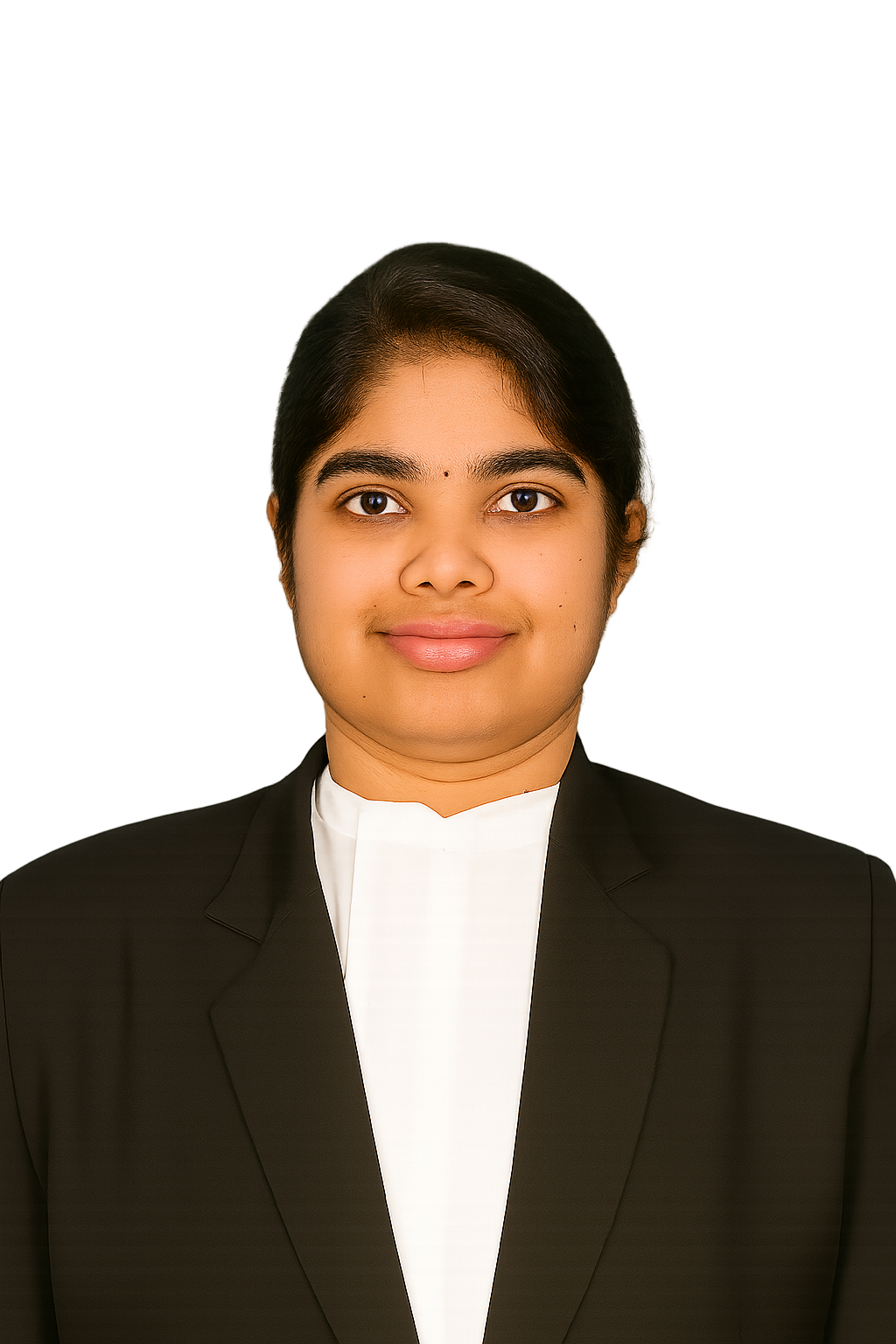
Abhigna Mandava

Hyderabad, Telangana

Registered 2022 | District Courts of NTR and Krishna and High Court of Andhra Pradesh

Criminal law | Family law | Employment concerns

Abhigna works with women, workers, and families navigating family disputes, employment-related grievances, and welfare-linked processes. Her practice focuses on procedural clarity, informed decision-making, and supporting clients facing exclusion within legal and administrative systems

Read More

Abhigna Mandava

Practice Overview: Abhigna Mandava practices before the District Courts of NTR and Krishna and the High Court of Andhra Pradesh. Enrolled in 2022, her work spans criminal law, family matters, employment-related disputes, and land-linked concerns. She represents low-income workers, project-affected and displaced families, and individuals facing wrongful or malicious accusations.

Feminist Approach: Abhigna’s legal practice is guided by a commitment to equity and client participation. She prioritizes ensuring that clients understand their legal position, are able to make informed choices, and are treated with dignity throughout the legal process. Her approach combines empathy with clarity, and she uses legal procedure not only to seek relief in individual cases but also to question practices that disproportionately affect individuals on the basis of caste, gender, class, or economic vulnerability.

Institutional Development: Abhigna assists clients in accessing welfare entitlements, raising concerns related to wages and employment conditions, and seeking redress from relevant authorities. She also supports families affected by displacement and land-related disputes by guiding them through documentation requirements, administrative follow-ups, and procedural steps with local offices. Through this work, she addresses the procedural barriers that often delay or prevent access to entitlements, particularly for workers and families with limited resources or institutional familiarity.

Professional and Personal Journey: Abhigna’s professional journey reflects a sustained commitment to working with individuals who are routinely excluded from legal protection. Alongside her litigation practice, she is engaged with land and environmental concerns through legal advocacy and research. In the long term, she hopes her work contributes to a legal system that is more accessible, responsive, and capable of addressing the structural injustices experienced by marginalized communities.

Maitrayee Ajit Gadhave

Mumbai, Maharashtra

Registered 2016 | District  court, Mumbai and Thane

Family law | Housing issues | Undertrial and documentation support

Maitrayee works with women and families facing housing displacement, family disputes, and criminal justice-related barriers. Her practice centers on careful listening, procedural clarity, and sustained support as clients navigate courts, prisons, and administrative systems

Read More

Maitrayee Ajit Gadhave

Practice Overview: Maitrayee’s work spans family disputes, housing, undertrial prisoner matters, and documentation support. She assists clients in understanding procedures, preparing applications, and responding to legal and administrative action, particularly in situations where displacement, detention, or sudden institutional intervention creates vulnerability.

Feminist Approach: Maitrayee’s practice is guided by a client-led and gender-sensitive approach. She begins by listening closely to women’s experiences and priorities before determining legal strategy, recognizing that legal needs are often shaped by loss of housing, family disruption, or interaction with coercive state systems. Her work reflects attentiveness to how women experience insecurity and institutional neglect, particularly in contexts where displacement or legal action results in the loss of essential household resources. She prioritizes respectful engagement, clarity, and emotional safety while supporting clients through unfamiliar and often intimidating legal processes.

Institutional Development: Maitrayee regularly engages with municipal bodies, police stations, courts, and prison authorities to support clients facing housing displacement, detention, or related harms. Her work includes approaching municipal authorities regarding loss of belongings and ration access, guiding residents through rehabilitation or resettlement processes, and assisting families in navigating police and prison-related procedures for undertrial prisoners. Through this institutional engagement, she addresses the procedural breakdowns that frequently prevent timely relief, particularly for women and families with limited access to legal information or resources.

Professional and Personal Journey: Maitrayee began her legal practice with a focus on juvenile justice matters in 2017 and later expanded into family and personal law. She was selected for the APPI Fellowship and worked at the Tata Institute of Social Sciences until 2022, where her exposure to research and field-based work informed her legal practice. Following this, she returned to independent practice. Her professional growth reflects learning across courtroom work, institutional engagement, and community-facing legal support. She continues to strengthen her practice through careful preparation, evolving legal knowledge, and sustained engagement with clients navigating complex legal systems.

Ibanylla Mary Lyngdoh

Shillong, Meghalaya

Registered 2021 | District Court, Consumer forum, High Court of Meghalaya

Family law | Consumer matters | Administrative and welfare processes

Ibanylla works with women to navigate family disputes & welfare-linked procedures. Her practice focuses on making legal & administrative processes accessible through sustained communication, procedural guidance, & follow-up with public authorities

Read More

Ibanylla Mary Lyngdoh

Practice Overview: Ibanylla practices at the District Court, Shillong, and has been registered since 2021. Her work spans family disputes, consumer matters, documentation support, and welfare-linked applications. A significant part of her practice involves assisting clients with procedural requirements and approaching relevant authorities to access remedies. In addition to district court work, she has filed writ proceedings before the High Court of Meghalaya.

Feminist Approach: Ibanylla’s practice is grounded in the belief that legal processes must be navigable and humane, particularly for women engaging with courts and administrative systems for the first time. She prioritizes dignity, patience, and clarity, creating space for clients to articulate concerns that are often shaped by unequal power relations or institutional intimidation.

Rather than positioning law as purely adversarial, her approach emphasizes explanation, informed choice, and steady accompaniment through procedural steps, enabling clients to make decisions with a clearer understanding of their options.

Institutional Development: Her work regularly involves interaction with police stations, social welfare departments, and local administrative offices. She supports clients in filing complaints, completing documentation, and following up with authorities to ensure that applications and requests do not stall within bureaucratic systems. Through this engagement, Ibanylla addresses the procedural gaps that often prevent women and low-income families from accessing protections and entitlements, even when formal mechanisms exist.

Professional and Personal Journey: Ibanylla’s legal practice has been shaped by sustained engagement with individuals facing financial constraints, limited legal literacy, and procedural barriers within the justice system. Over time, this exposure has reinforced her commitment to making legal institutions less intimidating and more accessible. Her long-term goal is to continue supporting individuals who cannot afford prolonged litigation, and to provide meaningful assistance by helping them navigate both courts and state systems with greater confidence and clarity.

Erenbeni P. Lotha

Wokha, Nagaland

Registered 2024 | District Court Wokha

Family law | Marriage & Inheritance | Victim Compensation | Social Security

Erenbeni P. Lotha is an early-career lawyer practicing in Wokha district, working closely with women and marginalized communities on access to justice, marriage registration, victim compensation, and social security. Her practice combines feminist legal support with grassroots rights awareness

Read More

Erenbeni P. Lotha

Practice Overview: Erenbeni practices at the District Court in Wokha, Nagaland. Her work focuses on improving access to justice for women and marginalized communities who often do not reach courts due to fear, lack of awareness, financial constraints, and deeply rooted customary norms. She works on family and marriage-related matters, inheritance concerns, victim compensation, and access to social security benefits, while also assisting clients with essential legal documentation that enables engagement with formal systems.

Feminist Approach: Erenbeni’s feminist legal practice is grounded in the belief that the law must treat women’s rights as basic entitlements rather than favours. She centers gender equity by paying close attention to how women and vulnerable groups are treated in disputes relating to marriage, inheritance, and protection from violence. As a junior lawyer, she actively participates in consultations, legal education, and protection-law awareness, often supporting women who approach her not only for legal advice but also for reassurance and solidarity.

Institutional Development: Erenbeni engages with institutional processes to strengthen access to legal protections and welfare benefits. Her work includes facilitating marriage registration as a safeguard for women’s rights, supporting access to victim compensation under criminal law, and assisting women in securing social security benefits such as pensions and maintenance. She also works with orphaned girls to help them obtain essential identity and eligibility documents—such as birth certificates and caste certificates—necessary for education, scholarships, and government schemes. Through this work, she contributes to improving how institutions function for women and children on the ground.

Professional and Personal Journey: Erenbeni’s journey reflects a strong commitment to grassroots engagement and learning through service. She previously served as a Beti Bachao Beti Padhao Local Champion in Wokha district, participating in community awareness efforts on girls’ education, protection from child marriage, access to government schemes, and legal safeguards against abuse. Her long-term vision is to contribute to a society where women’s rights are recognized as entitlements, and where women—whether wives, widows, survivors, or young girls—can approach the law with confidence and without fear.

Srimoyee Mukherjee

Kolkata, West Bengal

Registered 2015 | High Court, Kolkata

LGBTQIA+ Rights | Victim Compensation | Custodial Violence & Death |

Srimoyee Mukherjee is a District and High Court practitioner whose work centers on feminist, intersectional, and rights-based litigation. She works on victim compensation and LGBTQIA+ rights, combining courtroom advocacy with institutional reform and grievance redress

Read More

Srimoyee Mukherjee

Practice Overview: Srimoyee has been practicing at the High Court at Calcutta since 2015. With a decade of experience, her work focuses on constitutional and rights-based litigation, particularly in matters relating to custodial violence and death, victim compensation, and the rights of persons in custody. She also works extensively on LGBTQIA+ rights, engaging with questions of discrimination and equal opportunity. Alongside litigation, she is currently the Head of the Grievance Redressal Committee at Varta Trust and is a Certified POSH Trainer, contributing to institutional responses to harassment and abuse.

Feminist Approach: Srimoyee’s feminist legal practice is intersectional, inclusive, and grounded in social justice. She centers gender equity by advocating for legal outcomes that address structural discrimination and uplift marginalized voices, particularly those of women and LGBTQIA+ communities. Her approach recognizes law as a political and ethical space shaped by power, and she consciously works to challenge legal frameworks that normalize exclusion, violence, or invisibility. Survivor dignity, autonomy, and agency are central to her legal reasoning and practice.

Institutional Development: Srimoyee engages with institutional mechanisms to strengthen procedural safeguards and rights-based responses within the justice system. Her work focuses on improving the functioning of grievance redress processes, victim compensation frameworks, and institutional responses to harm, particularly in contexts involving vulnerability and marginalization. Through litigation, training, and committee-based roles, she contributes to the development of practices that center dignity and due process within formal systems.

Professional and Personal Journey: Srimoyee’s professional journey reflects a sustained commitment to transforming the justice system into one that is accountable, equitable, and grounded in dignity. Over the past decade, her work has consistently focused on challenging systemic violence and advocating for reforms that prevent harm rather than merely respond to it. She envisions law as a tool for long-term structural change—capable of reshaping institutions, protecting marginalized communities, and affirming the humanity of those most affected by state power.

Madhu C. Mali

Ahmedabad, Gujarat

Registered 2018 | District and sessions court, Ahmedabad

Domestic Violence | Family Law | Criminal & Civil Law | Labour & Land Rights

Madhu C. Mali is a first-generation lawyer practicing in Ahmedabad, working on domestic violence, family, and criminal matters, with a growing engagement on labour rights, land disputes, and community legal awareness through a feminist lens.

Read More

Madhu C. Mali

Practice Overview: Madhu C. Mali practices before the City Civil and Sessions Court, Judicial Magistrate First Class, and District Court in Ahmedabad. Enrolled in 2018 and practicing since 2019, she has over six years of experience across criminal and civil matters, including domestic violence, family law, & cases under the Negotiable Instruments Act. After training under a senior advocate, she now practices independently, handling matters across Gujarat & neighbouring states, while also engaging closely with women facing social & economic vulnerability.

Feminist Approach: Madhu identifies as a feminist lawyer & views law as a tool to challenge patriarchal structures & systemic inequality. Her practice is informed by an intersectional approach that recognizes how gender intersects with caste, class, religion, & economic disadvantage. She prioritizes survivor-centric justice & actively engages with women from diverse backgrounds to understand legal barriers & build rights awareness at the community level.

Institutional Development: Madhu’s institutional engagement focuses on strengthening access to justice and economic security. She has begun working with women labourers and daily-wage workers to promote awareness around timely wages and fair working conditions and seeks to expand this work further. She also engages with land-related disputes, including cases involving land mafia activity, working with senior advocates to help restore land to rightful owners. Through documentation support, follow-up, and legal guidance, she works to translate formal legal protections into tangible outcomes.

Professional and Personal Journey: As a first-generation woman lawyer, Madhu’s early years of practice were marked by financial and professional uncertainty. Leaving her senior’s office without independent briefs, she built her practice through persistence, self-learning, and mentorship. Over time, she has gained recognition within her community and confidence in her professional identity. She views advocacy as a source of dignity as well as livelihood, and her long-term goal is to ensure timely and effective justice so that people retain faith in the legal system, while creating trusted spaces where women—especially young women—can seek legal support with confidence and privacy.

Past Fellows

Taniya Laskar

Taniya is a young Muslim woman lawyer practicing before the Cachar District Judiciary in Silchar, Assam.

Read More

Taniya Laskar

Taniya Hailing from a small town, Taniya realized the importance of women’s political participation in realizing their rights from her experiences. Being a Bengali, the socio-political reforms during the Bengal Renaissance in the 18th and 19th centuries inspired her and as she grew up, she chose law as the tool for her activism. She completed her LLB degree from Assam University, Silchar, with scholarship support. She practiced in Gauhati High Court for three years, before moving back to her hometown, Silchar. Taniya practices cases of violence, and crimes against women, specializing in domestic violence and also on property and land rights. She has been practicing on the issue of citizenship at the Foreigners' Tribunals in Cachar for the last three years.

Sasimansi

Sasimansi is a young lawyer from Bhubaneswar who is dedicated to supporting women's rights work and providing legal assistance to local women’s groups in Cuttack, Bhubaneswar.

Sasimansi

Savita Ali

Savita is a strong advocate of Dalit women's rights. She runs free legal clinics and supports pro-bono cases for women in need, especially from the marginalised Muslim communities in Patna, Bihar.

Savita Ali

Rukhsar Memon

Ruksar is an independent practising lawyer in the Bombay High Court, focusing on family matters. She is deeply committed to the issues of women and children especially from the marginalised Muslim communities, in Mumbai, Maharashtra.

Read More

Rukhsar Memon

“I have always been passionate about doing something different, in our community, girls are not allowed to pursue law. I am the first female lawyer in the Muslim community I am from. I have always seen women being suppressed and not being able to pursue what they want to pursue.”

Rukhsar is an independent practising lawyer in the Bombay High Court, focusing on family matters. She is a majles empanelled lawyer and has always had a keen interest in working on the issues of women and children, to help them move forward and have better access to opportunities. During her internship with Mulla & Mulla, is when she got the opportunity to pursue the cause and start honing her skills. She then went on to intern with the ‘Bharatiya Muslim Mahila Andolan (BMMA)’, as a legal researcher and in currently working as their legal advisor. Rukhsar fought the first triple talaak case in the Bombay High Court, and has been BMMA’s spokesperson in the media.

Through her work Rukhsar, came to see more and more the issues faced by women especially the social and economically marginalised communities, the slums etc. In the Muslim communities, she says – most of the women are not educated, illiteracy is high. She has therefore been on a mission to spread legal awareness, through workshops and sessions in the communities. Through her initiative in communities, she got involved with the commonwealth human rights initiative, she now also conducts sessions for them, and attends meetings as a member. She also works with an organisation called ‘Free a Girl India’, who work with children rescued from trafficking. Rukhsar helps them with legal advice and training, and also works with them as a motivational speaker.

Rukhsar is also a member of ‘Aurato ki shayari adalat’ headed by Kaatun Shaikh at BMMA, which also conducts mediations. The Fellowship, she says, is giving her good exposure and opportunities, interacting with several senior and experienced lawyers, building skill sets at the same time providing access to resources to help many more women, through the funds given.

Through the fellowships, she also hopes to pursue her research to study and codify muslim laws and understand how they differ from other family laws out there. Rukhsar also wants to conduct training for police, to make sure they are able better handle cases of distress of women and take the prescribed course of action to support them, by filing an FIR and so on.

She also currently handles female adoption matters and their legal procedures. She deals with matters of property of women, making their will, sale deeds, and other property related legal advice and consultations. She works as a POCSO Act consultant for several National and International NGOs. She is also pursuing her LLM from Jindal Global Law School.

Urmila

Urmila, is a Dalit women lawyer, advocating for legal rights and justice for women and young girls. She specialises in Domestic violence, dowry, POCSO matters, practicing in Chitrakoot, Uttar Pradesh.

Urmila

Romita Reang

Romita is the first women lawyer from the Reang, a primitive tribal group from a remote village in Gomati district, Agartala, Tripura. She is an active advocate for the rights and leadership of tribal women.

Read More

Romita Reang

“Dalit and Adivasi women are not taken seriously by the local system, police don’t file their FIRs, lawyers ask them to withdraw complaints. In this scenario, my work facilitates their right to access legal services”

Romita Reang is a women’s rights lawyer from a remote village in Gomati district in Tripura. She belongs to the Reang tribe, one of the 19 tribes of Tripura that are considered Particularly Vulnerable Tribal Group (PVTG/PTG) in India. During her childhood her village hardly had any road connectivity and proper schooling facilities. Due to this many children in her village, including Romita herself, did not get proper education. Romita was later able to access proper school education when her family shifted out to a neighbouring village which had a missionary school.

She always wanted to work for the tribal people of her State who are deprived of access to legal justice due to the language barriers, communication, transportation and lack of awareness about their legal rights. She pursued her BA LLB from a University in Kolkata – unheard of as a career path for anyone from her village.

Even after she started practicing, it has been a difficult journey for Romita, being judged for her social upbringing and identity; and the prevalence of informal community court/justice system in the villages. And people not really conforming to the legal system of justice.

With the Legal Fellowship by SAWF-IN in 2014, Romita says she truly started her own practice. Before that she was attached to a lawyer and was mostly learning. But with this fellowship she was able to reach out to those women who wanted to file cases in courts but did not have the means to do so, at the same time learn concepts and get support from other lawyers hands on.

The fellowship stipend helped her take up pro bono cases and she helped women with transport costs and case filing costs.

Through the fellowship, Romita has transitioned from a mere observer at community-based tribunals, to an actual stakeholder, who encourages the use of formal law to bridge the gaps in the community-based systems. Romita also works with the community leaders as a trainer on human rights issues. She takes sessions with the village elders and talks to them about provisions under criminal laws and civil laws, and the mandate of the Constitution, so that they can use some basic tenets of formal law during their mediation and arbitration. She also wants to work with traditional courts of other tribes, as she feels that it is the first point of contact for anyone in tribal systems to access justice and if she can make even a small difference in how cases are looked at and judgements are passed, it will go a long way in restoring people’s faith in legal processes.

As the traditional courts are male dominated, women hardly ever speak up at these courts or share their point of view. Romita is working with women in her tribe to increase their participation in these community-level processes, attempting to ensure that women’s rights are at the centre of these mediation processes.

Priti Murmu

Priti is a well known Santhali women lawyer, litigating for the rights of indigenous people, and specialises in Domestic Violence cases, tribal atrocities act, and more, based in Jamshedpur, Jharkhand.

Read More

Priti Murmu

"The lack of awareness about rights and access to the justice system is one of the biggest obstacles of our legal system. Through my work, I hope to bridge the gap between rights and justice, while working towards ensuring proper implementation of the law and its various facets. For me, the real work is to enable better access to law and the judicial system.”

Priti is one of the five tribal women lawyers at the District Bar Association in Jamshedpur, where there are at least 1600 registered members. Her family was always supportive of her education. Her father was the first practicing MBBS doctor belonging to a Scheduled Tribe in the district. Priti was inspired to become a lawyer, witnessing various struggles of her community. She began litigating in 2004 at Jamshedpur Civil Court. As the only woman lawyer then, who is from the tribal community, she began taking up criminal and civil cases for Adivasi women.

She is known for litigating for the rights of indigenous people, especially on upholding their culture, as mandated by the Constitution of India.

Priti specialises in Domestic Violence litigation and strongly believes that the Act needs stricter and prompt implementation, to enable greater access to justice for all women. In 2012, she was the first in her district to have filed a case under the Protection of Women from Domestic Violence Act. She faced a lot of challenges as the law was new, so even the magistrates and officers at the district level did not completely know or understand the nuances of the Act.

The SAWF IN fellowship from 2015 supported Priti in pursuing cases in remote villages and she was able to support many litigants who were living in remote tribal villages and had no knowledge or understanding on how to approach a court for addressing their grievances. She was also able to organise awareness camps in the villages, with the support.

Before her fellowship with SAWF IN she never took up rape cases, especially the defence side of it. Through the capacity building workshops, she says it gave her a better understanding of access to justice as a concept and that expanded her perspective tremendously.

Priti believes that one needs to be a constant learner. thirst of knowledge is ever present within her and so even while she practices law, she continues to study and clear various examinations.

Shanchobeni Lotha

Shanchobeni specialises in working with women and girls and their issues of violence and abuse. She supports indigenous tribal women in availing various schemes and entitlements, in Wokha, Nagaland.

Read More

Shanchobeni Lotha

Shanchobeni belongs to the Lotha Tribe in Nagaland. It was her childhood dream to become a lawyer. She, however, faced a lot of opposition from her community and extended family when she started studying. Despite these obstructions, she followed her dream and became the first lawyer in her village. Today she is an empanelled lawyer with the National Legal Services Authority and has been conferred the Best Panel Lawyer of Nagaland State and Northeast Zone in 2019. She is also empanelled with various organisations and institutions in Wokha. Like most tribal communities in Nagaland, customary laws are still prevalent in Shanchobeni’s tribe. These customs and practices vary from tribe to tribe, but the overarching theme is the fact that women are not allowed to take part in family disputes. Only male members from both parties can participate and deliberate. Sanchobeni works to create awareness on the rights of women and their entitlements. But she finds that men are usually reluctant to get this information and do not feel the need to participate. To ensure easier access to the legal institutions and processes, she translates legal awareness information into local dialects through leaflets, pamphlets etc. Through this fellowship Sanchobeni wants to work especially with women whose spouses have passed away, girls and women facing violence and abuse. She wants to support them by providing legal assistance. She feels that most women are silent to abuse due to fear of social stigma and lack of awareness. They hardly have any knowledge of their legal rights as mandated in the Constitution; and therefore they don’t approach the legal system for remedies or protection. She would like to work with women and enable them access to protection orders and also access to nodal officers, rehabilitation centres and mid-way houses where they may find a support group and also find means to become selfsustained. Sanchobeni will also be collaborating with various Government Departments, individuals, religious organisations, non-governmental organisation and other stakeholders to reach out to a larger number of women. These could be in the form of awareness and sensitisation programmes, workshop, demonstration and training programmes along with identifying and supporting women beneficiaries to avail various schemes and entitlements.

Bulia Pulu

Bulia is one of the first women lawyers from her tribe, advocating for women’s rights and providing free legal services to many women in her area, Tezu and Roing, District, Arunachal Pradesh.

Read More

Bulia Pulu

Bulia belong to Idu Mishmi Tribe, a sub tribe of Mishmis, mainly inhabiting Dibang Valley and Lower Dibang Valley district of Arunachal Pradesh. Bulia lost her father when she was 8 years old and her mother single handedly took care of four children. Bulia completed her schooling in a missionary school and graduated in science. Despite being well educated and a working woman, Bulia faced domestic violence during her marriage, which she had to experience for an extended period of time due to the prevailing customary laws and social practices. She then went on to finish her L.L.B. in 2013, and started practicing in trial courts. Today, she advocates for women’s rights and provides free legal services to many women in her area. Bulia was also instrumental in forming Enjalu Menda Women’s Empowerment Forum (EWEF); an NGO working to address issues of domestic violence, drug abuse and other issues faced by tribal women, in collaboration with the district administration and other stakeholders in Nagaland. The biggest battle for Bulia is convincing survivors of domestic violence to come forward and seek legal remedies by accessing systems of justice like the district courts. As most of these women are from economically weak sections, they are completely dependent on their husbands for their sustenance and do not have the financial freedom to pay legal fees. Due to fear of backlash and recrimination from the community, survivors often do not lodge complaints against their perpetrators. Oftentimes, post a judgement that is in favour of the survivors , Bulia has been threatened and faced intimidation from the perpetrators and their families. Through this fellowship Bulia wants to provide tribal women access to the legal framework provided by our Constitution and also motivate her community members to understand the need for change in the existing customary laws. The fellowship will also help her in expanding her understanding of how the issues faced by women of the tribal communities in other parts of our country are dealt with. She feels that the fellowship will facilitate her learning and enhance her skills to deal with cases for women. She hopes that the fellowship will provide her greater exposure to understand how to deal with rehabilitation of the women as they attempt to start a new life after the judgement. She recognises that it is important for her to interact with other lawyers working in this field and understand their success stories and strategies.

Y. Shaophen Phom

Shaophen works in the area of tribal women’s welfare, taking up cases related to abuse and violence against women. Practicing at the district and session court, Kohima, Nagaland.

Read More

Y. Shaophen Phom

Y. Shaophen Phom belongs to the Phom Naga Tribe which is a Schedule Tribe in the hill region of Nagaland. She identifies as a feminist lawyer, and is a firm believer in equality. It was Phom’s childhood dream to join the legal profession. After completing her Bachelor’s in Political Science Honors, she pursued an LLB degree from Guwahati University.

When she started her work as a lawyer in Guwahati in 2017, she overcame many challenges in her path. Her primary obstacle was the language barrier. Since Shaophen is from Nagaland, practicing in Guwahati meant that she had to learn both Assamese and Hindi. Moreover, the legal profession being male dominated, a woman lawyer’s capabilities are often underestimated. Female lawyers are stereotypically expected to quit work after marriage and are discouraged from making court appearances. But facing these barriers has only encouraged Shaophen to work harder, be stronger and let her work speak for itself.

Since the start of her career, Shaophen has been involved mostly in divorce cases, as well as civil and criminal procedures. She often takes up cases of domestic violence. Putting a stop to human rights violations by winning such cases has been a milestone in her career. She has also taken up cases seeking rehabilitation for abandoned or orphaned children. Currently, she practices at the Principal District and Session Court, Kohima, Nagaland.

“The fellowship will give me the opportunity to work on cases for women in Nagaland, especially tribal women who in some areas are still living in the shadow of a man, where their voices are not being heard. This fellowship will enable many women to come out of their shell and voice their opinions."

Domestic violence is least reported in Nagaland. Shaophen is keen to use the fellowship as an opportunity to break that barrier of silence and raise awareness among women to stand up for their rights. She also aims to support and encourage women to understand their legal rights so that they can have equal rights and equal opportunities, especially in receiving equal remuneration as their male counterparts for the same work and responsibilities.

Through the fellowship she hopes to reduce the stigma around violence against women and encouraging stigma-free reporting of the incidences. Shaophen thinks women should be able to talk about their experiences without hesitation and shame. Most of all she hopes to see more female lawyers in the courtrooms of Nagaland.